
Real-life Skills Coaching
Overview
NESCA’s Real-Life Skills Coaching provides individualized, goal-based support to help adolescents and young adults build greater independence in everyday life. Services may be short-term or ongoing and focus on developing practical life, executive function, adaptive, and vocational skills in real-world settings.
Because every student has unique strengths and challenges, coaching is tailored to each individual’s needs and goals. Coaches use direct instruction and hands-on, experiential learning to help students practice skills in meaningful contexts while building confidence, self-awareness, and independence.
Using a client-centered approach, coaches work collaboratively with students and families to identify areas for growth across domains such as education, vocation, daily living, and leisure. Together, they establish measurable goals, monitor progress regularly, and adjust supports as skills develop over time.
Led by NESCA’s Occupational Therapists and Transition Specialists, our coaching services focus on skills, such as:
- Activities of daily living (everyday, basic tasks that allow a person to both function and thrive) – Self-care/hygiene, getting dressed, development of morning/evening routines
- Instrumental activities of daily living (more complex tasks that allow a person to live and thrive independently) – Meal planning and preparation, grocery and clothes shopping, laundry, etc.
- Job/volunteer opportunities – Appropriate/professional correspondence, interview skills, communications skills, arriving on time, community/group participation, etc.
- Self-advocacy – Knowing yourself, what you need, how to get what you need, and practice asking for what you need
- Executive function – Setting up the technology, environment, and schedules that help with school, volunteer work/employment, initiation, motivation, avoiding distraction, and organization skills
- Financial literacy – Understanding banking, consumer skills, budgeting, taxes, insurance, etc.
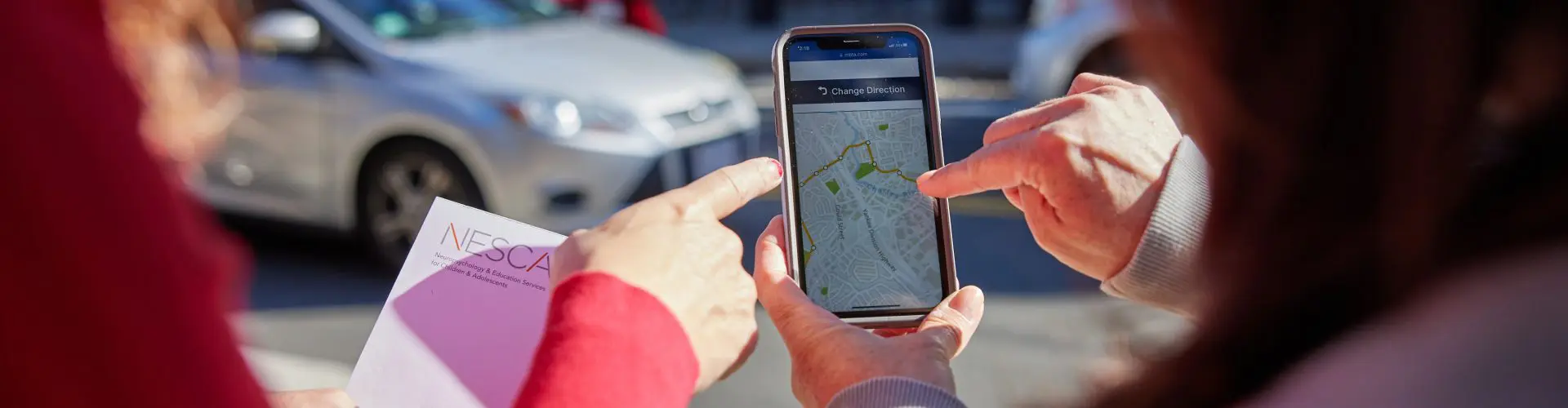
- Community navigation – Travel training related to public transportation, ride share apps, Google Maps, etc.*
- College campus navigation and training

Real-life Skills Coaching FAQ
What is Real-life Skills Coaching?
Real-life Skills Coaching (RSC) is an individualized service for teens and young adults ages 13–26 focused on building practical independent living skills in real-world settings. Coaching emphasizes hands-on learning and repeated practice to help clients generalize skills across environments. Telehealth coaching is also available and can effectively target executive functioning and other daily living skills.
Who benefits from coaching?
Coaching is ideal for students and young adults who benefit from one-to-one support and experiential learning outside of school or clinic settings. It can be especially helpful during transitions such as a fifth year of high school, gap year, college, or the move from college to adult life.
How are coaching services delivered?
Coaching may be short-term or ongoing depending on individual needs. Many clients participate for a set number of hours each week over several weeks or months. Coaching schedules are flexible and may continue throughout the school year or during specific seasons such as summer or winter breaks.
After an initial intake, coaching targets individualized goals related to academics, employment, executive functioning, and independent living.
Do coaches collaborate with schools and agencies?
Yes. Coaches frequently collaborate with schools, colleges, and adult service agencies, and may attend meetings as appropriate. This can be especially helpful for individuals receiving support from agencies such as MassAbility/Massachusetts Rehabilitation Commission, Department of Mental Health, or Department of Developmental Services.
*OTs are uniquely positioned to serve as travel trainers, helping individuals successfully and safely get from point A to point B. In this role, OTs assess, advise, and train individuals to use transportation systems and services to get from home to work, school, stores, or other destinations within the community and back home again safely.